
Michigan man learns the hard way that “catch a cheater” spyware apps aren’t legal
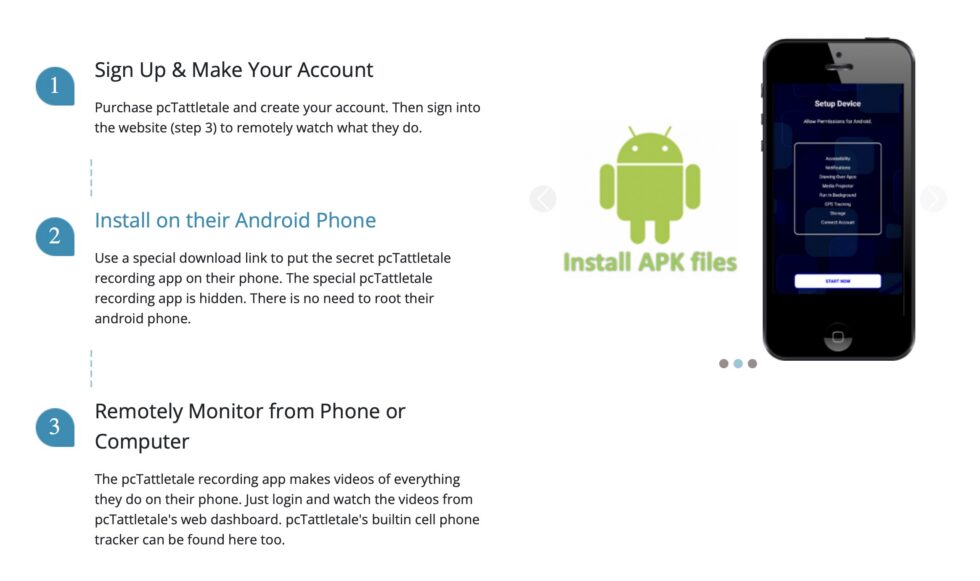
In 2002, Bryan Fleming helped to create pcTattletale, software for monitoring phone and computer usage. Fleming's tool would record everything done on the target device, and the videos would be uploa…
 Ars Technica
Verify original report
Ars Technica
Verify original report
Hero image carried from the source feed. Verify imagery and captioning at Ars Technica.
The readable version, with the source trail intact.
This page turns the linked publisher report into a plain-English briefing, while keeping the original article and image trail easy to check.
The useful update
- In 2002, Bryan Fleming helped to create pcTattletale, software for monitoring phone and computer usage
- Fleming's tool would record everything done on the target device, and the videos would be uploa…
The stakes
- It’s unclear when pcTattletale began marketing itself as a tool for catching cheaters, but Fleming’s original business partner left the company in 2011, and Fleming ran things himself from his home in a northern Detroit suburb
- In 2021, Vice reported that pcTattletale was leaking the sensitive data it collected
The next check
- If the story affects a decision, open the original Ars Technica report and the relevant official page before relying on local prices or timing
Where this came from
-
01
Original report Michigan man learns the hard way that “catch a cheater” spyware apps aren’t legal
Publisher: Ars Technica · arstechnica.com
Open original -
02
TortoisePath layer TortoisePath Story Breakdown
Summary generated 3 months ago from the original report.
-
03
Visual trail 4 attributed source images
Image cards below keep the publisher attribution and link back to the original article.
Jump to images
The short version
In 2002, Bryan Fleming helped to create pcTattletale, software for monitoring phone and computer usage. Fleming's tool would record everything done on the target device, and the videos would be uploa…
Spying doesn't become legal just because "cheaters" are the targets
Spying doesn’t become legal just because “cheaters” are the targets
What happened
- In 2002, Bryan Fleming helped to create pcTattletale, software for monitoring phone and computer usage
- Fleming's tool would record everything done on the target device, and the videos would be uploa…
- Michigan man learns the hard way that “catch a cheater” spyware apps aren’t legal
- Spying doesn't become legal just because "cheaters" are the targets
- This might sound creepy, but it can also be legal when used by a parent monitoring their child or an employer monitoring their workers
Why this matters
- It’s unclear when pcTattletale began marketing itself as a tool for catching cheaters, but Fleming’s original business partner left the company in 2011, and Fleming ran things himself from his home in a northern Detroit suburb
- In 2021, Vice reported that pcTattletale was leaking the sensitive data it collected
- A look through archived versions of the pcTattletale site on the Wayback Machine shows that by 2022, pcTattletale had added numerous “cheating” links to its footers and featured multiple blog posts on ways to “catch your boyfriend cheating.” These exp…
- The practical value is the source trail: Ars Technica is the place to check before acting on prices, dates, availability, or local implications
Open these next
Images published alongside the source story
Each image keeps its publisher, caption or article title, citation text, and a direct path back to the original article for verification.
 Ars Technica
Original articleMichigan man learns the hard way that “catch a cheater” spyware apps aren’t legal
Image from Ars Technica via the original article.
 Ars Technica
Original articleMichigan man learns the hard way that “catch a cheater” spyware apps aren’t legal
Image from Ars Technica via the original article.
 Ars Technica
Original articleMichigan man learns the hard way that “catch a cheater” spyware apps aren’t legal
Image from Ars Technica via the original article.
 Ars Technica
Original articleMichigan man learns the hard way that “catch a cheater” spyware apps aren’t legal
Image from Ars Technica via the original article.