
Next Wave: Kenya has conquered mobile money. Now it must fix the system underneath
Cet article est aussi disponible en français
 TechCabal
Verify original report
TechCabal
Verify original report
Hero image carried from the source feed. Verify imagery and captioning at TechCabal.
The readable version, with the source trail intact.
This page turns the linked publisher report into a plain-English briefing, while keeping the original article and image trail easy to check.
The useful update
- Cet article est aussi disponible en français
- Kenya has already proved that digital payments can bridge the financial inclusion gap
The stakes
- Considered one of Africa’s most important financial exports, it inspired policymakers in many emerging markets who saw it as a solution for reaching underbanked populations
- The real question facing the market today is no longer whether Kenyans can send money digitally
The next check
- If the story affects a decision, open the original TechCabal report and the relevant official page before relying on local prices or timing
Where this came from
-
01
Original report Next Wave: Kenya has conquered mobile money. Now it must fix the system underneath
Publisher: TechCabal · Published May 13, 7:19 am · techcabal.com
Open original -
02
TortoisePath layer TortoisePath Story Breakdown
Summary generated 4 months ago from the original report.
-
03
Visual trail 4 attributed source images
Image cards below keep the publisher attribution and link back to the original article.
Jump to images
The short version
Cet article est aussi disponible en français
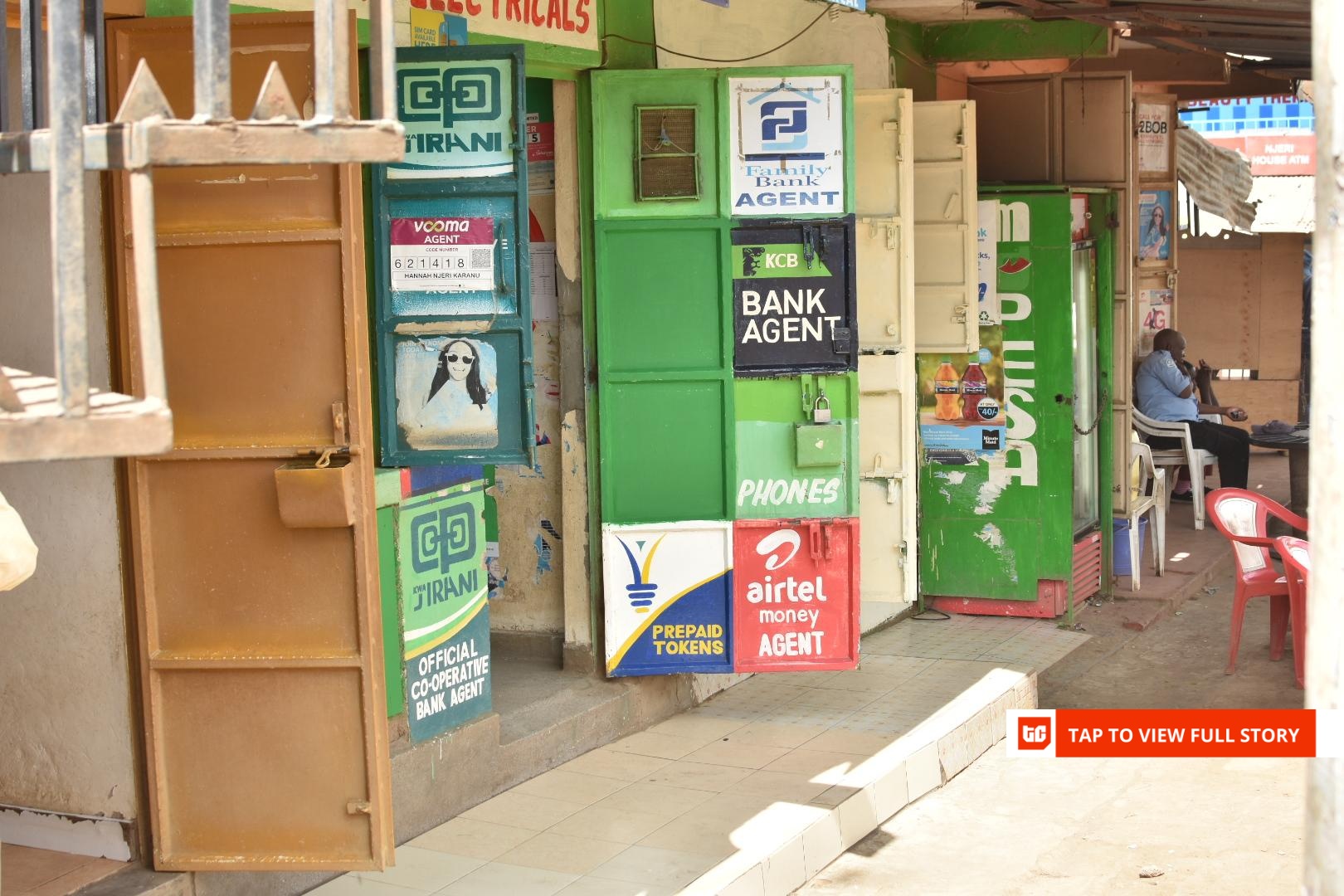
Kenya has already proved that digital payments can bridge the financial inclusion gap. Its next challenge is to build an ecosystem where every bank, fintech, merchant, and mobile wallet can move money seamlessly together
Kenya’s payment story is often told as a triumph of mobile money. And rightly so. Safaricom’s M-PESA transformed the country from a largely cash-based economy into one where a roadside fruit vendor, a boda boda rider, and a multinational bank customer can all transact digita…
What happened
- Cet article est aussi disponible en français
- Kenya has already proved that digital payments can bridge the financial inclusion gap
- Its next challenge is to build an ecosystem where every bank, fintech, merchant, and mobile wallet can move money seamlessly together
- Kenya’s payment story is often told as a triumph of mobile money
- Safaricom’s M-PESA transformed the country from a largely cash-based economy into one where a roadside fruit vendor, a boda boda rider, and a multinational bank customer can all transact digitally
Why this matters
- Considered one of Africa’s most important financial exports, it inspired policymakers in many emerging markets who saw it as a solution for reaching underbanked populations
- The real question facing the market today is no longer whether Kenyans can send money digitally
- The question is whether the country can build an integrated payment system that is instant, interoperable, low-cost, resilient, and intelligent enough to support a digital economy expected to grow significantly over the next decade
- The practical value is the source trail: TechCabal is the place to check before acting on prices, dates, availability, or local implications
Open these next
Images published alongside the source story
Each image keeps its publisher, caption or article title, citation text, and a direct path back to the original article for verification.
 TechCabal
Image from TechCabal via the original article.
 TechCabal
Original articleKenya has conquered mobile money. Now it must fix the system underneath
Image from TechCabal via the original article.
 TechCabal
Original articleKenya has conquered mobile money. Now it must fix the system underneath
Image from TechCabal via the original article.
 TechCabal
Original articleKenya has conquered mobile money. Now it must fix the system underneath
Image from TechCabal via the original article.