
Regulation by invoicing: Systemic flaws in NITA’s licensing push and threat to Ghana’s digital trust
The architecture of a nation’s digital economy relies entirely on the integrity of its regulatory frameworks. When the rules governing technological innovation are clear, predictable, and legally sou…
Hero image carried from the source feed. Verify imagery and captioning at MyJoyOnline (GH).
The readable version, with the source trail intact.
This page turns the linked publisher report into a plain-English briefing, while keeping the original article and image trail easy to check.
The useful update
- The architecture of a nation’s digital economy relies entirely on the integrity of its regulatory frameworks
- When the rules governing technological innovation are clear, predictable, and legally sou…
The stakes
- By leaning on the Fees and Charges (Miscellaneous Provisions) Act, 2022, and its subsequent 2023 Regulations to justify this sweep, NITA is attempting to extract a substantive regulatory mandate out of a consolidated financial instrument
- To understand the current friction, one must examine the original 2008 regulatory architecture
The next check
- If the story affects a decision, open the original MyJoyOnline (GH) report and the relevant official page before relying on local prices or timing
Where this came from
-
01
Original report Regulation by invoicing: Systemic flaws in NITA’s licensing push and threat to Ghana’s digital trust
Publisher: MyJoyOnline (GH) · Published May 24, 3:18 pm · myjoyonline.com
Open original -
02
TortoisePath layer TortoisePath Story Breakdown
Summary generated 3 months ago from the original report.
-
03
Visual trail 4 attributed source images
Image cards below keep the publisher attribution and link back to the original article.
Jump to images
The short version
The architecture of a nation’s digital economy relies entirely on the integrity of its regulatory frameworks. When the rules governing technological innovation are clear, predictable, and legally sou…
However, when regulatory bodies bypass foundational legislation in favor of administrative bootstrapping, the entire ecosystem is placed at risk
What happened
- The architecture of a nation’s digital economy relies entirely on the integrity of its regulatory frameworks
- When the rules governing technological innovation are clear, predictable, and legally sou…
- Regulation by invoicing: Systemic flaws in NITA’s licensing push and threat to Ghana’s digital trust
- When the rules governing technological innovation are clear, predictable, and legally sound, Digital Public Infrastructure (DPI) thrives, and digital trust is established
- However, when regulatory bodies bypass foundational legislation in favor of administrative bootstrapping, the entire ecosystem is placed at risk
Why this matters
- By leaning on the Fees and Charges (Miscellaneous Provisions) Act, 2022, and its subsequent 2023 Regulations to justify this sweep, NITA is attempting to extract a substantive regulatory mandate out of a consolidated financial instrument
- To understand the current friction, one must examine the original 2008 regulatory architecture
- NITA was established by the National Information Technology Agency Act, 2008 (Act 771), with a companion framework provided by the Electronic Transactions Act, 2008 (Act 772)
- The practical value is the source trail: MyJoyOnline (GH) is the place to check before acting on prices, dates, availability, or local implications
Open these next
Images published alongside the source story
Each image keeps its publisher, caption or article title, citation text, and a direct path back to the original article for verification.
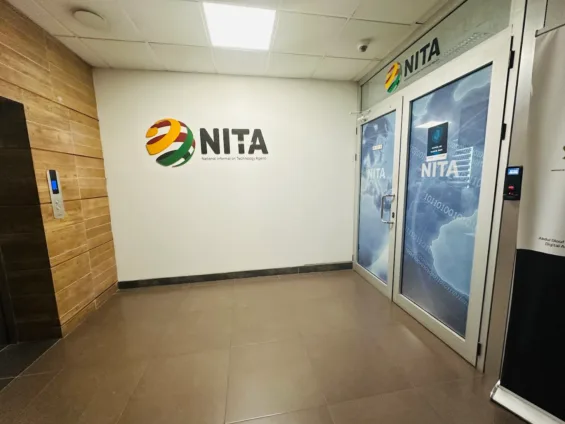
Original articleRegulation by invoicing: Systemic flaws in NITA’s licensing push and threat to Ghana’s digital trust - MyJoyOnline
Image from MyJoyOnline via the original article.
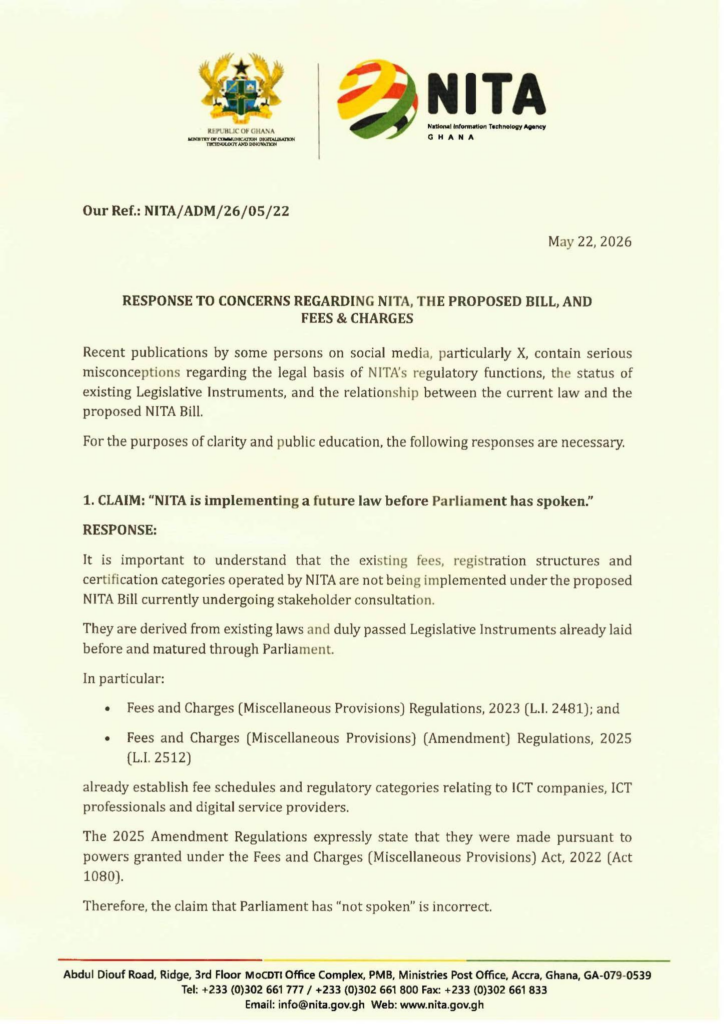
Image from MyJoyOnline via the original article.
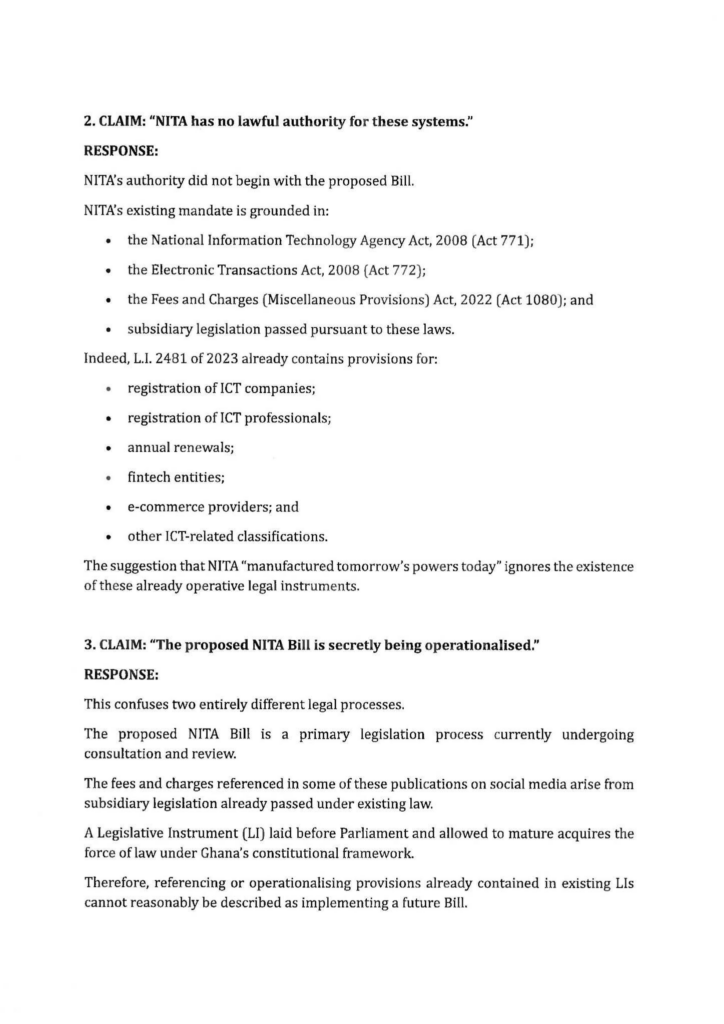
Image from MyJoyOnline via the original article.
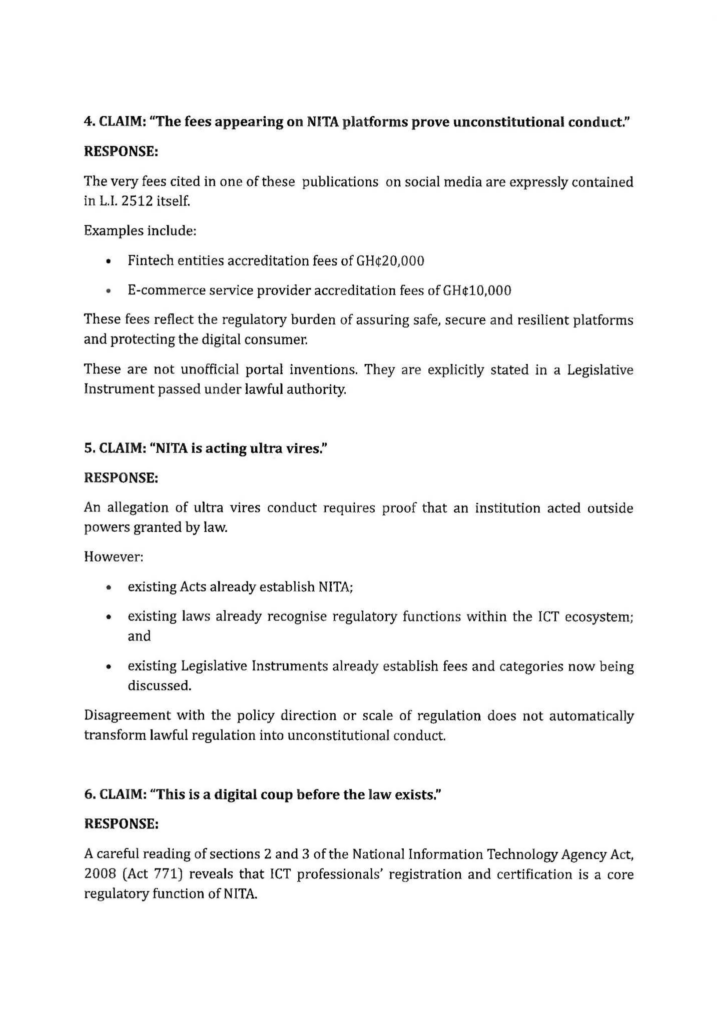
Image from MyJoyOnline via the original article.