
New DNA Method Gives Insight into Dolphin Health
Scientists can now assess dolphin populations' health through DNA in seawater, marking a breakthrough in conservation efforts
 Good News Network
Verify original report
Good News Network
Verify original report
Hero image carried from the source feed. Verify imagery and captioning at Good News Network.
The readable version, with the source trail intact.
This page turns the linked publisher report into a plain-English briefing, while keeping the original article and image trail easy to check.
The useful update
- DNA in seawater can help monitor the health of dolphin populations
- Mitochondrial DNA found in water samples provides crucial insights into population size
The stakes
- Provides a non-invasive way to monitor vulnerable dolphin populations
- Helps in understanding and conserving marine biodiversity effectively
The next check
- DNA is present in seawater from various sources such as skin, scales, and feces
- Environmental DNA has been used for identifying species but is now expanded to health assessment
Where this came from
-
01
Original report Sampling DNA in Seawater Can Reveal the Health of Dolphin Populations, in First for Conservation
Publisher: Good News Network · Published May 16, 11:57 pm · goodnewsnetwork.org
Open original -
02
TortoisePath layer TortoisePath Story Breakdown
Summary generated 3 months ago from the original report.
-
03
Visual trail 4 attributed source images
Image cards below keep the publisher attribution and link back to the original article.
Jump to images
The short version
DNA floating in seawater is now enough to let scientists monitor the health of America’s dolphin populations
Sampling DNA in seawater can show the local presence (or absence) of a species, but until now could give little information about those measures of biodiversity that are the most useful in conservation
What happened
- DNA in seawater can help monitor the health of dolphin populations
- Mitochondrial DNA found in water samples provides crucial insights into population size
- Environmental DNA sampling is an effective, non-invasive conservation method
- The research focuses on dolphins, addressing biodiversity and conservation needs
Why this matters
- Provides a non-invasive way to monitor vulnerable dolphin populations
- Helps in understanding and conserving marine biodiversity effectively
- Enhances the methods used in conservation efforts, potentially applicable to other species
Open these next
Images published alongside the source story
Each image keeps its publisher, caption or article title, citation text, and a direct path back to the original article for verification.
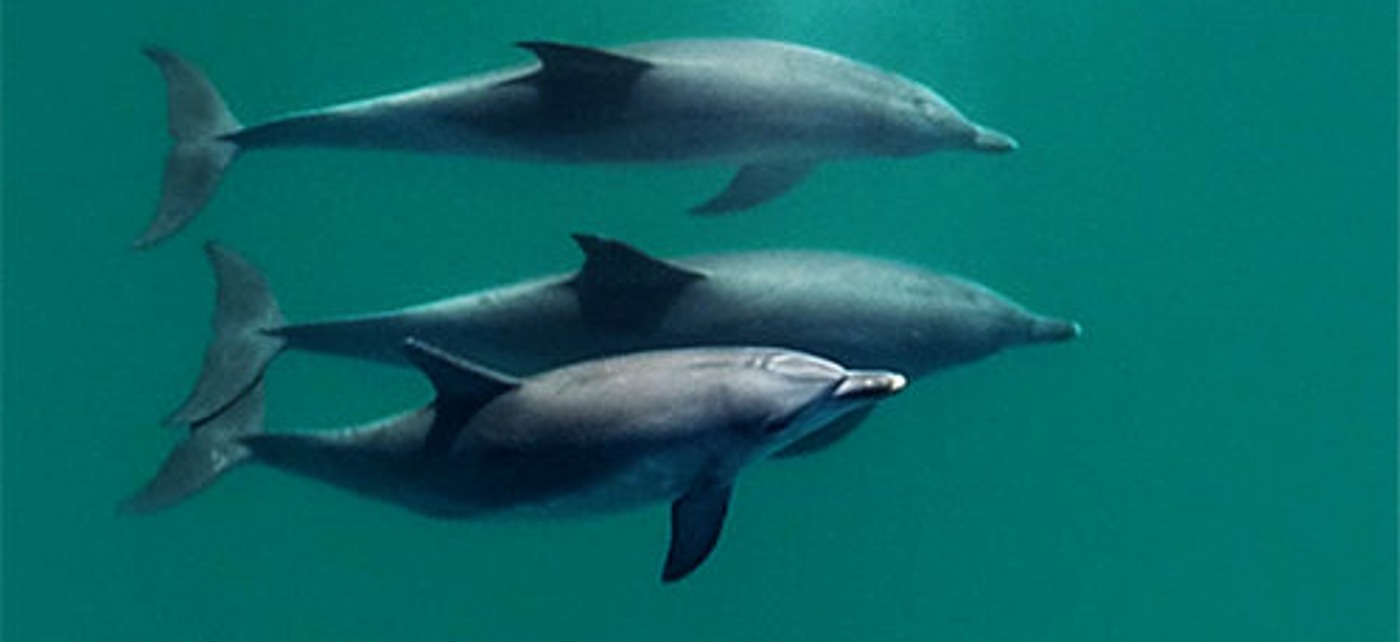 Good News Network
Image from Good News Network via the original article.
 Good News Network
Original articleSampling DNA in Seawater Can Reveal the Health of Dolphin Populations, in First for Conservation
Image from Good News Network via the original article.
 Good News Network
Image from Good News Network via the original article.
 Good News Network
Original articleSampling DNA in Seawater Can Reveal the Health of Dolphin Populations, in First for Conservation
Image from Good News Network via the original article.