
What’s Next for Mali’s Junta After Recent Attacks?
The military came to power to bolster security but the weekend's attacks have brought that into question
Hero image carried from the source feed. Verify imagery and captioning at BBC Africa.
The readable version, with the source trail intact.
This page turns the linked publisher report into a plain-English briefing, while keeping the original article and image trail easy to check.
The useful update
- Mali experienced coordinated attacks that included gunfire and explosions over the weekend
- The defense minister was assassinated during these assaults
The stakes
- The attacks challenge the junta's credibility, raising doubts about its ability to ensure security in the country
- The resurgence of rebel forces threatens to destabilize not just Mali but also the surrounding West African region
The next check
- Mali's junta came to power in August 2020 with promises to enhance security in the wake of ongoing conflicts
- The military's initial successes against rebel groups appear diminished following these recent assaults
Where this came from
-
01
Original report What next for Mali's military leaders after shock of rebel offensive?
Publisher: BBC Africa · Published Apr 29, 7:57 am · bbc.com
Open original -
02
TortoisePath layer TortoisePath Story Breakdown
Summary generated 4 months ago from the original report.
-
03
Visual trail 4 attributed source images
Image cards below keep the publisher attribution and link back to the original article.
Jump to images
The short version
The military came to power to bolster security but the weekend's attacks have brought that into question
It is hard to overstate the sense of shock reverberating across West Africa after attackers, in co-ordinated assaults, managed to enter Mali's capital, Bamako, assassinate the defence minister and recapture territory in the north
Residents in different cities across the country woke to gunfire and explosions on Saturday – attacks which an alliance of two groups – the separatist Azawad Liberation Front (FLA) and the al-Qaeda-linked JNIM group – said they were behind
What happened
- Mali experienced coordinated attacks that included gunfire and explosions over the weekend
- The defense minister was assassinated during these assaults
- An alliance of two groups, the Azawad Liberation Front and the JNIM group, claimed responsibility
- Malian and Russian forces have withdrawn from the northern city of Kidal, which is now under FLA control
- Col Assimi Goïta's absence in the days following the attacks raises questions about the junta's stability
Why this matters
- The attacks challenge the junta's credibility, raising doubts about its ability to ensure security in the country
- The resurgence of rebel forces threatens to destabilize not just Mali but also the surrounding West African region
- The situation could lead to increased tension and demand for accountability from both the military government and foreign allies
Open these next
Images published alongside the source story
Each image keeps its publisher, caption or article title, citation text, and a direct path back to the original article for verification.
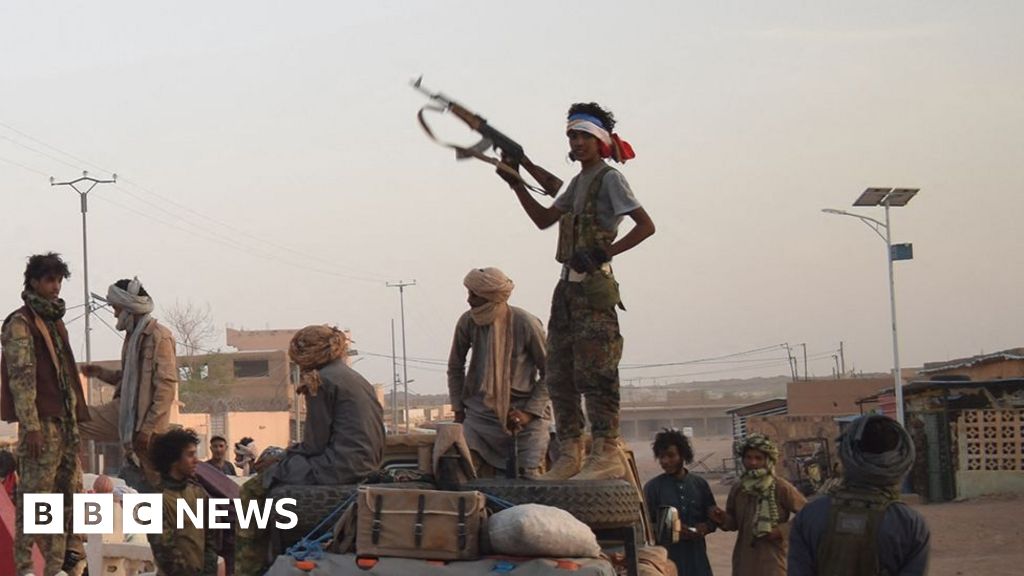
Original articleMali attacks: What next for the junta after shock of rebel offensive?
Image from BBC Africa via the original article.

Image from BBC Africa via the original article.
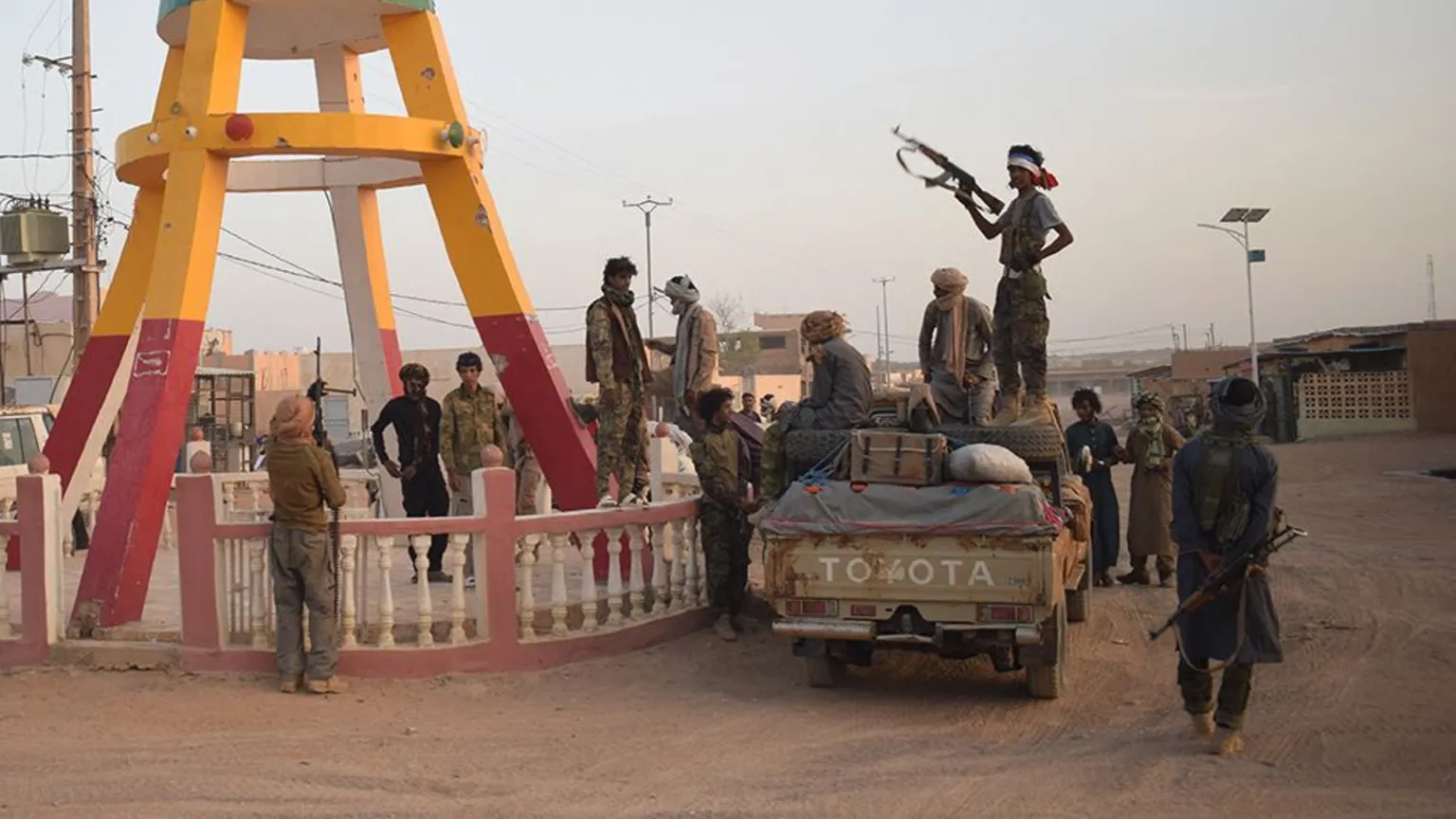
Original articleMali attacks: What next for the junta after shock of rebel offensive?
Image from BBC Africa via the original article.
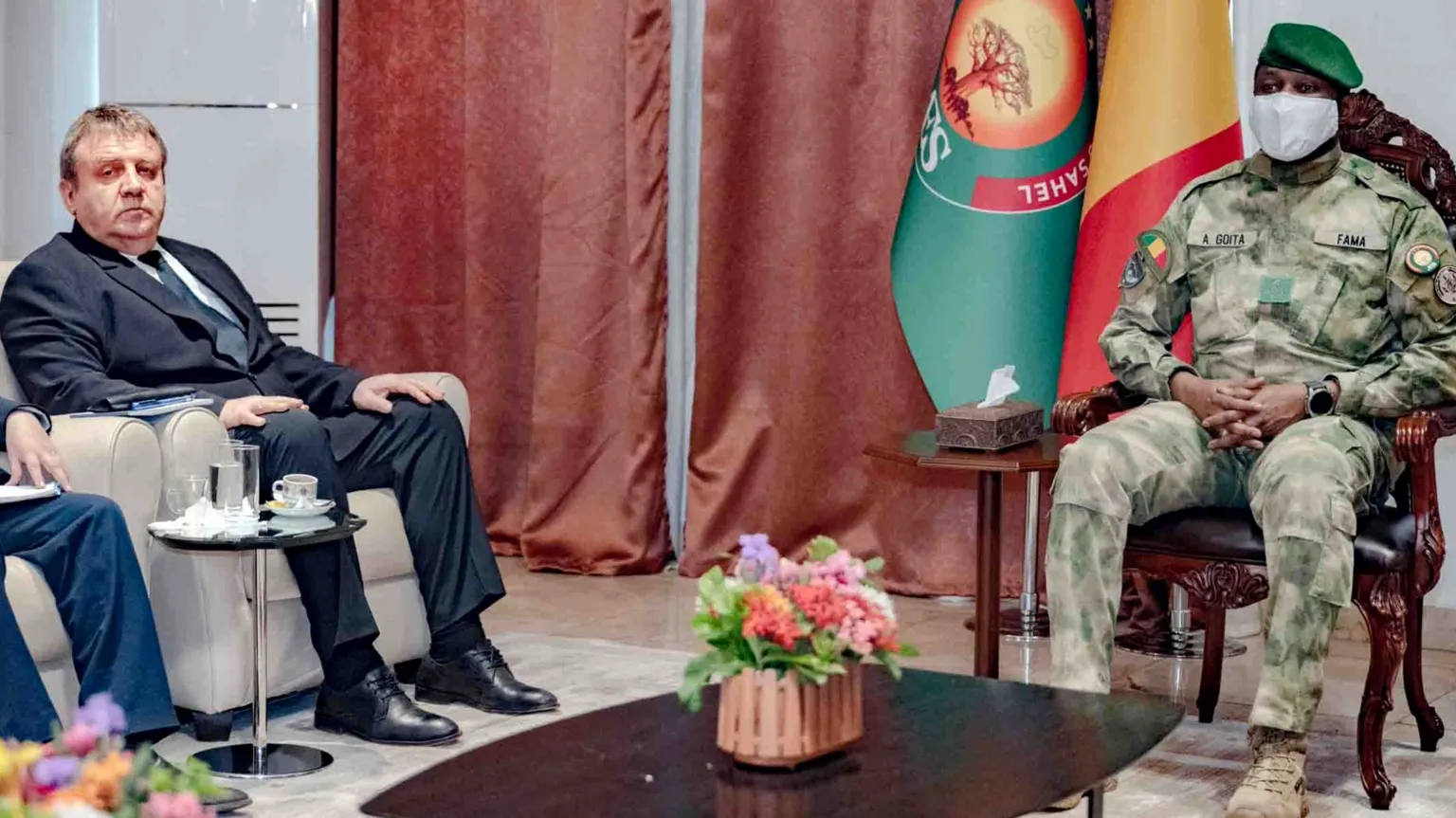
Original articleMali attacks: What next for the junta after shock of rebel offensive?
Image from BBC Africa via the original article.